Approved on Paper, Repainted in Place: A Full-Scale Color Protocol for Commercial Interiors
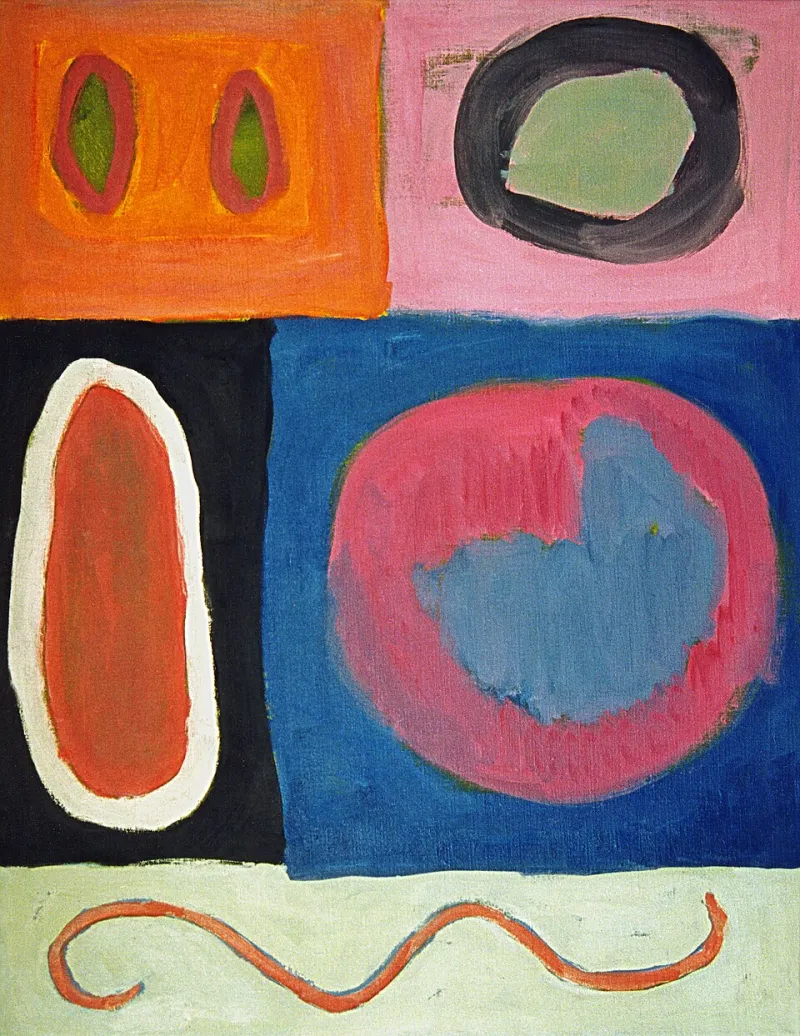
Photo: Fons Heijnsbroek, CC0, via Wikimedia Commons
Color approval is often treated as a selection rather than a test. A designer presents a fan deck, the client chooses a number, and the number goes into the specification. The paint arrives, the wall goes up, and the color that looked assured in a conference room looks uncertain at architectural scale. The repaint is not merely a material cost. It is a schedule event, a disruption to occupied space, and a quiet erosion of confidence in the drawings.
The remedy is not a better chip. It is a protocol that treats color as a field condition to be verified before fabrication. What follows is the sequence LC2 uses on commercial projects where color carries brand, wayfinding, or finish-quality consequences.
The Chip Is a Reference, Not a Result
A paint chip is manufactured under controlled conditions, coated on card stock, and viewed under idealized light. A wall is none of those things. Substrate porosity, primer chemistry, application method, film thickness, sheen, and the angle of view all alter the final appearance. Two products can match numerically and still diverge visually under the same lamp. This is why a color approval that stops at the chip is not an approval. It is a hypothesis.
The protocol begins by accepting that the chip identifies a starting point. The result must be produced, not selected.
Establish the Substrate Before the Color
Before any drawdown is made, confirm what the paint will actually touch. Is the wall Level 4 or Level 5 drywall? Is it concrete, plaster, masonry, wood, or metal? What primer is specified, and what coating exists beneath it? Each condition changes absorbency, texture, and the way light returns to the eye.
Drawdowns should be produced on the same substrate, with the same primer, the same application method, and the same number of coats as the finished work. If the field will be sprayed but the mockup is rolled, make both. If one wall is drywall and another is plaster, make both. Label each panel with the variables it represents. A drawdown that cannot be traced to a substrate and method is only a larger chip.
Drawdowns at Architectural Scale
A two-inch square cannot disclose how a color behaves across a twelve-foot wall. LC2 recommends a minimum panel of two feet by two feet, with four feet by four feet preferred for primary fields. In lobbies, corridors, and restaurant dining rooms, an eight-foot section is not excessive. The panel should be placed where the color will live, adjacent to the trim, floor, and ceiling it must reconcile with. Include at least one corner and one window wall.
Produce two panels per color where possible: one in direct light, one in shade. If the specification includes multiple sheens, produce a panel for each. Keep the panels from the same batch and record the batch or lot number on the approval sheet. The goal is not a decorative sample but a representative surface.
Light Is Part of the Specification
Color is a relationship between a surface and a source. Review the panels under the project's actual light at the project's actual times. Morning light, midday light, late-afternoon light, and evening artificial light can produce four different colors. In a restaurant, review under the dimmed evening setting as well as the cleaning-crew setting. In a retail environment, review under accent and ambient layers separately. In an office, review at the desk and at standing eye height.
Where the building does not yet exist, a light booth or a temporary mockup with the specified lamps is better than a conference room. But nothing replaces an on-site review once the space is enclosed. Record the light conditions on the approval form: source type, color temperature, color rendering index, dimming level, and time of day. A color approved under unknown light is a color approved by accident.
Sheen and the Angle of View
Sheen changes perceived color and reveals substrate imperfections. Flat, eggshell, satin, and semi-gloss should be compared side by side rather than discussed abstractly. Review each at a grazing angle as well as straight on. Higher sheens amplify drywall flaws, so confirm the specified finish level before the painter begins. If the design intent depends on a subtle sheen shift, that shift must be visible on the panel, not inferred from a product data sheet.
The Paper Trail
The approval document should be short enough to use and complete enough to defend. Record the project, room, color name and number, manufacturer, product line, sheen, batch or lot, substrate, primer, application method, number of coats, drawdown location, light conditions, date, and reviewers. Photograph each panel with a color target in frame. Retain one approved panel for the owner, one for the contractor, and one for the design file.
During construction, inspect the first completed wall before the painter proceeds. Compare it to the retained panel under the same light. Store attic stock from the same batch for touch-up. A future repair made with a different batch and a different sheen will read as a patch, not a repair.
Running the Review Itself
Invite the people who will live with the result: the client, facilities staff, the contractor, and the painter. Keep the review focused. Ask whether the color shifts unacceptably across the wall, whether it flatters adjacent materials, whether it supports the brand intent, and whether it remains acceptable after dark. Decide to approve, adjust, or reject. If adjustment is required, tint and repeat the drawdown rather than approving a verbal description. Freeze the color before the purchase order is issued.
What the Protocol Buys
The protocol adds a small block of time before paint is ordered. It removes a much larger block of risk after the wall is coated. On a commercial project, a repaint in occupied space can cost several times the original application once labor, protection, disposal, and schedule recovery are counted. The drawdown review is inexpensive by comparison, and it produces something more useful than a color number: a shared, documented expectation of what the wall will look like when the lights come on.
For clients preparing to issue finish specifications, the question is not whether the chip is attractive. It is whether the chip has been tested. Approve the result, not the reference.